A marine logistics operator in Abu Dhabi had a watertight door system that was not working reliably on one of its vessels. We spent three days troubleshooting the hydraulic and electrical sides, then rebuilt the door cylinder with newly made rods, overhauled the accumulator and hand pump, renewed gauges, hoses and fittings, and commissioned the system with the crew.
The problem
Watertight doors must close reliably, including on stored energy and by hand when power is lost. A fault in any part of the system, whether cylinder, accumulator, hand pump or control, can leave a door that will not close or will not hold. The operator needed the cause found and the system proven before the vessel went back to work.
What we found
An engineer and a technician attended on 19, 20 and 22 August to troubleshoot both the hydraulic and electrical systems. They found:
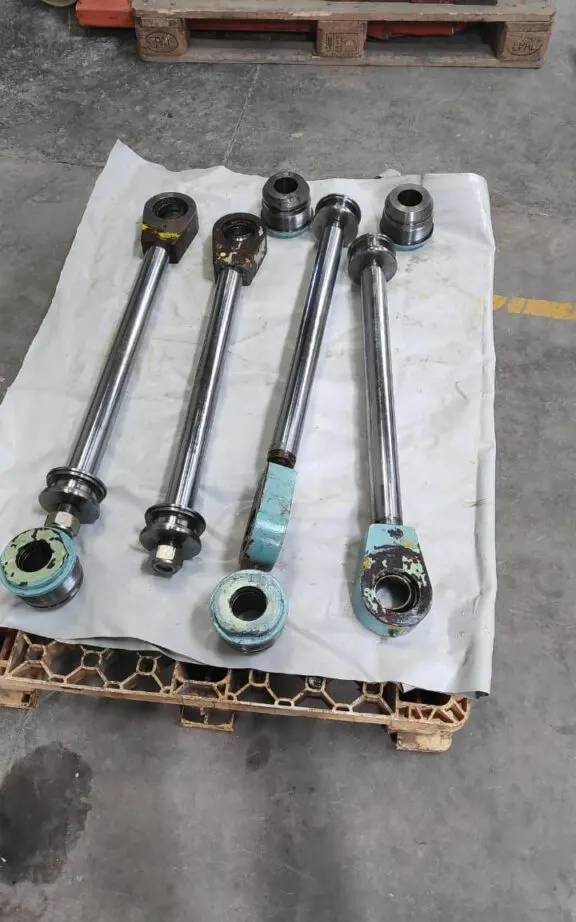
- The door cylinder leaking and needing a full overhaul, with rods beyond reuse
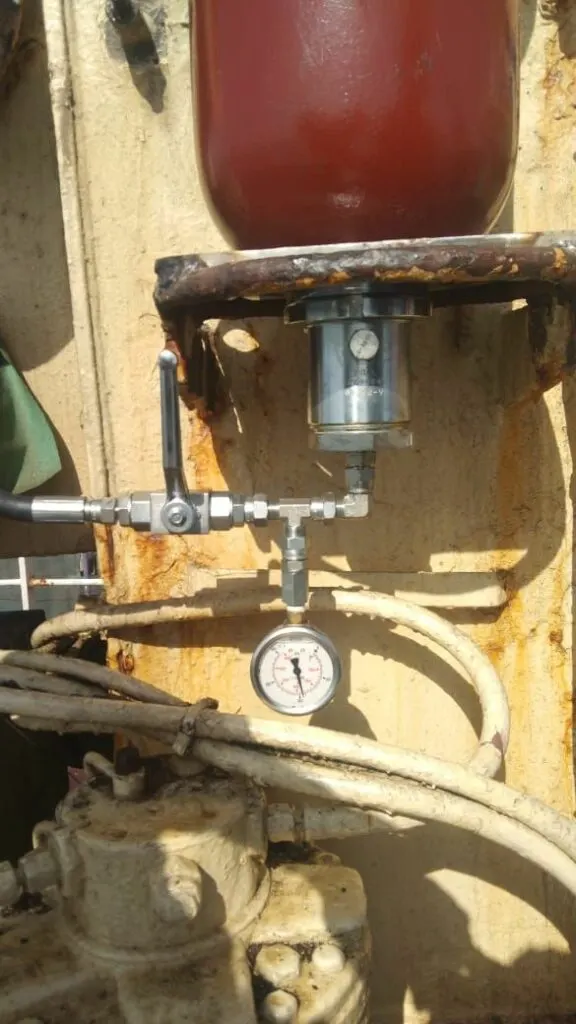
- The accumulator needing overhaul and a nitrogen recharge
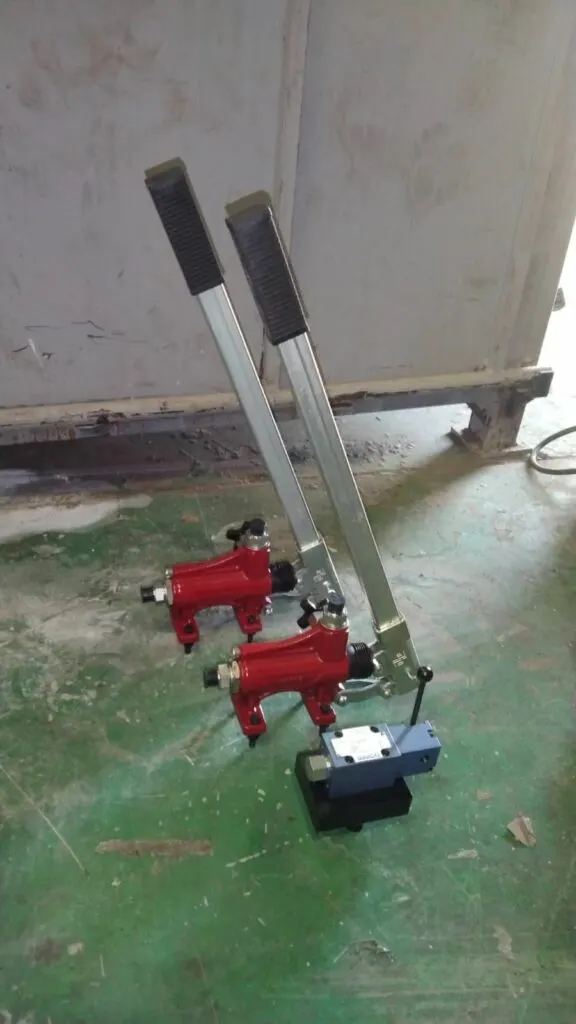
- The hydraulic hand pump, the manual back-up, needing a reseal
- Pressure gauges that could no longer be trusted
- Short hose assemblies and fittings that needed renewal
What we did
- Removed the cylinder, stripped it in our workshop, made new rods, resealed and tested it
- Overhauled the accumulator and recharged it with nitrogen
- Overhauled and tested the hand pump
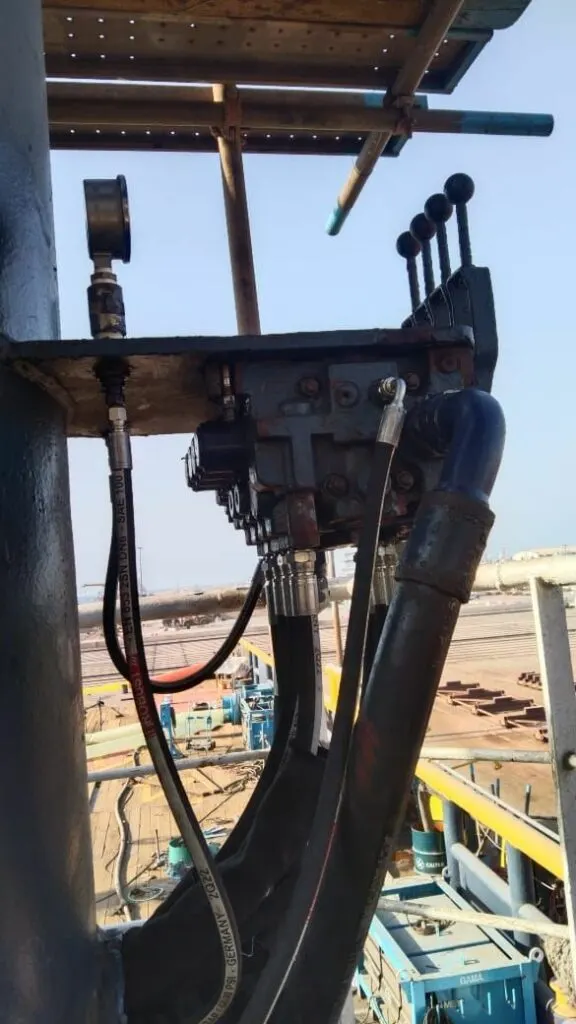
- Supplied and fitted new bottom-entry pressure gauges for each circuit
- Made up and fitted new R2 ⅜” hose assemblies, with a check valve, tee, adaptors, caps and plugs where needed
- Refitted the components and commissioned the system: a full day with two engineers and two technicians on 23 August, and two half days on 25 and 26 August
Result
The watertight door system was back in service about a week after troubleshooting began, with a rebuilt cylinder, a working accumulator and hand pump back-up, and gauges that read correctly. The operator was charged by the day for troubleshooting and commissioning, so it paid only for the time the fault actually took.
On systems like this, the accumulator is often the weak point. We recommend checking its pre-charge at every scheduled service, with the temperature recorded.