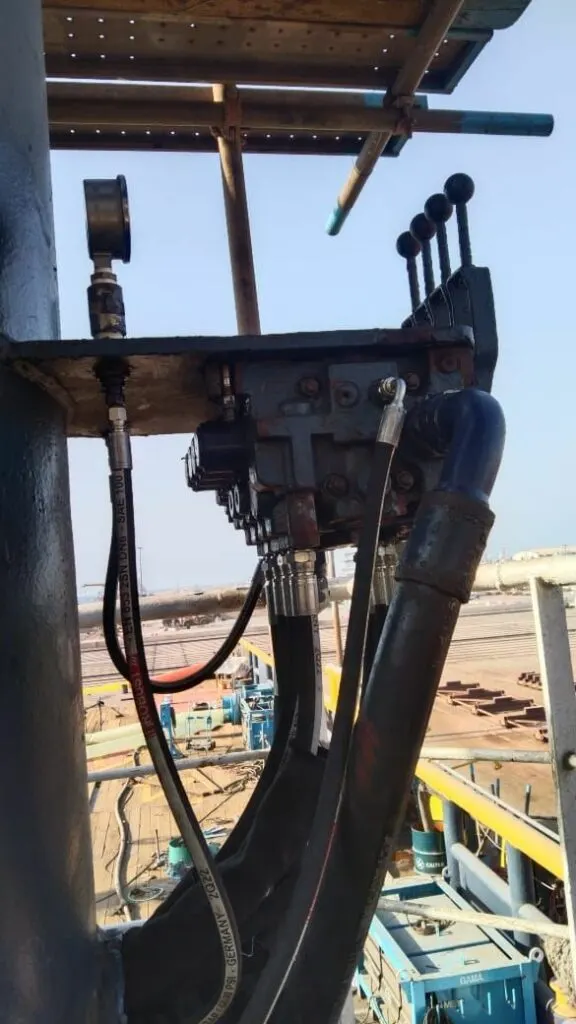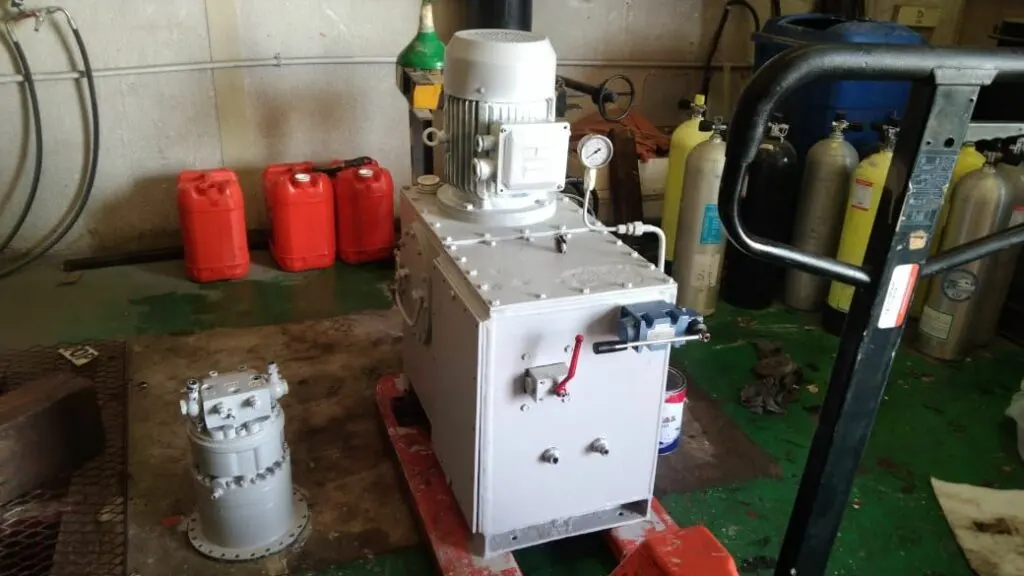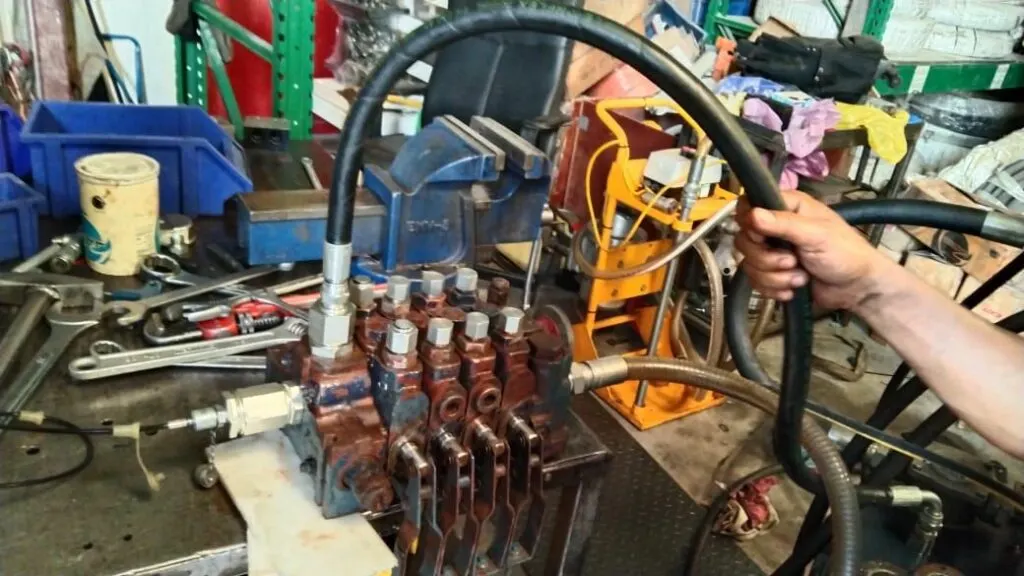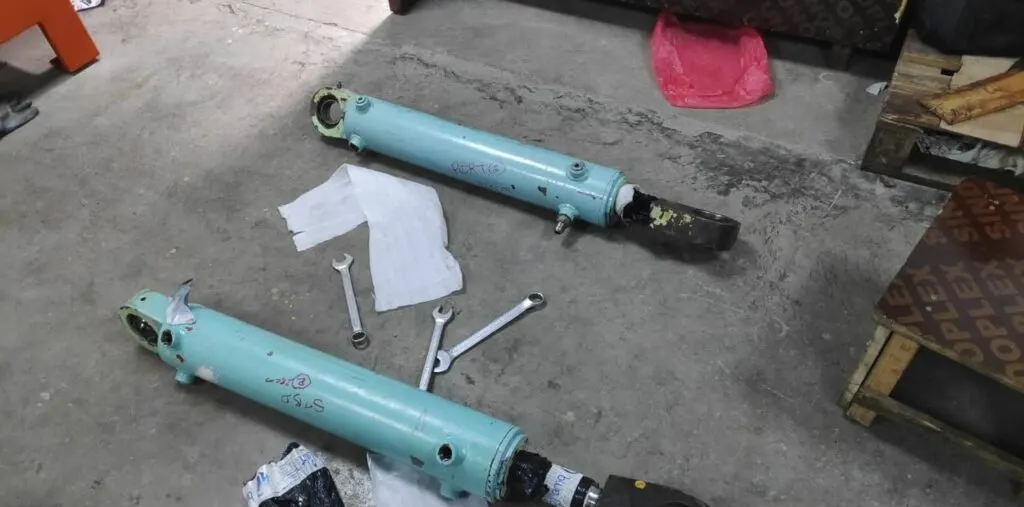
We repair the hydraulic cylinders, pumps, motors, valves and power packs that keep UAE port and terminal equipment working, and we load test cranes, gangways and lifting points. Port engineering teams use us when the job is bigger than their own workshop can turn round, or when they need a test report a third party will accept.
The port engineer’s world
Port and terminal engineering teams run a mixed fleet under constant time pressure. Berth windows are fixed, vessels do not wait, and every crane or handler out of service shifts work onto the rest of the fleet. The team usually has its own fitters for daily maintenance; what they need from outside is capacity for heavy component overhauls, specialist troubleshooting and documented tests.
UAE ports range from the large container and multi-purpose terminals at Jebel Ali and Khalifa Port to bulk and general cargo ports such as Mina Saqr, Hamriyah, Port Khalid and Zayed Port, and the cruise terminals at Port Rashid and Dubai Harbour. Each has a different equipment mix, but the hydraulic problems are similar.
Equipment we work on in ports
- Mobile harbour cranes and fixed quay cranes with hydraulic luffing, slewing and grab systems.
- Reach stackers, empty container handlers and heavy forklifts: lift, tilt and boom extension cylinders, steering cylinders, valve banks and pumps.
- Linkspans and ro-ro ramps: lifting cylinders, hinge pins, power packs and control valves.
- Passenger gangways and boarding bridges at cruise and ferry terminals, with their telescopic and slewing hydraulics. See accommodation ladders and gangways.
- Bulk handling: grab cylinders, hopper gates, conveyor tensioning and stacker hydraulics.
- Mooring equipment: quick-release hooks with hydraulic release and capstans.
- Port craft: tugs, pilot boats and mooring launches, with their steering, winch and fender hydraulics.
Common failures in port service
Port equipment fails in predictable ways in UAE conditions:
- Cylinder leaks and drift. Lift and tilt cylinders on reach stackers and luffing cylinders on cranes see high cycle counts. Worn seals cause external leaks and drift under load. Our guide on cylinder drift causes covers how to tell piston seal leakage from valve leakage.
- Rod damage from dust, sand and impacts, which then destroys new seals unless the rod is repaired.
- Pump wear and noise, often from aeration or contaminated oil. See noisy hydraulic pump.
- Overheating on equipment working long shifts at 45 C and above. See hydraulic overheating in UAE heat.
- Hose failures on machines that run around the clock. Single hose failures stop a machine; a planned hose replacement programme stops it once, on your schedule.
- Linkspan and gangway power packs that sit idle between calls, then fail on demand because of moisture, seized valves or a flat accumulator.
Compliance and documentation
Port equipment is checked by the port’s own HSE team, by insurers and, for some assets, by the port authority or a third-party inspection body. Typical expectations are periodic thorough examinations, proof load tests after major repairs to load-bearing hydraulics, and calibrated safe load indicators. We provide:
- Proof load tests with water bags and calibrated load cells up to 150 t. See load testing.
- LMI/SLI calibration checks on cranes.
- Loose lifting gear inspection.
- Bench test reports for overhauled cylinders, at 1.5 times working pressure.
Our tests are regularly witnessed by class surveyors where the equipment or a client requires it.
How we work with ports
Component exchange cycles. Many port teams send us cylinders, pumps or valve banks on a rolling basis: one machine’s components come in while a spare set keeps it running. We strip, measure and report, then overhaul and bench test.
On-site work during shutdowns. For cranes, linkspans and gangways that cannot be moved, we attend with engineers, tools and test gear, usually on a planned maintenance window. Inside port areas, your team arranges gate passes and permits in advance; we send names, ID and vehicle details on request.
Breakdown troubleshooting. Where a crane or handler is down, we troubleshoot on site first and give you a clear scope before parts are ordered.
Hose programmes. We survey, tag and replace all the hoses on a machine or a fleet on a schedule, using hoses crimped in our Sharjah workshop. See hose management.
Services that matter most
| Need | Service |
|---|---|
| Lift, tilt, luffing and steering cylinders | Hydraulic cylinder repair |
| Pumps and slewing motors | Pumps and motors |
| Valve banks and counterbalance valves | Valves and VRCS |
| Linkspan and gangway power packs | Hydraulic power units |
| Crane faults on site | Crane hydraulics |
| Proof load tests and SLI checks | Load testing |
What to send for a quote
- Equipment type, make and model, and its asset number.
- Photographs of the nameplate, the faulty component and any leaks.
- For cylinders: bore, rod, stroke and working pressure if known.
- For pumps and motors: the full model code from the nameplate.
- Whether the item can be removed and delivered, or must be worked on in place.
- Access arrangements: gate passes, permits and working hours.
We usually quote within one working day of receiving photos and nameplate data. We focus on overhauls, load tests and planned work rather than single-hose call-outs; for one hose on a handler, a local hose shop will usually be quicker.