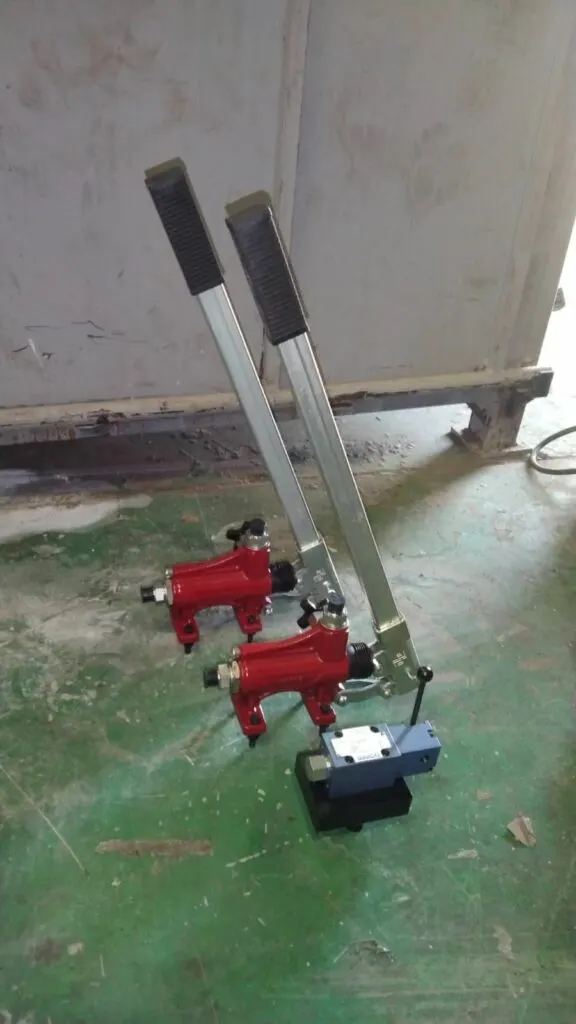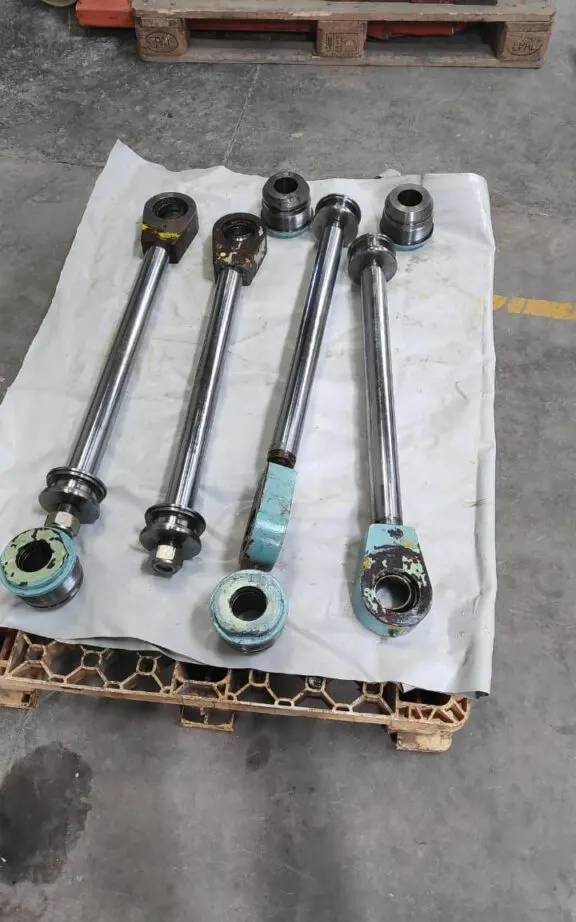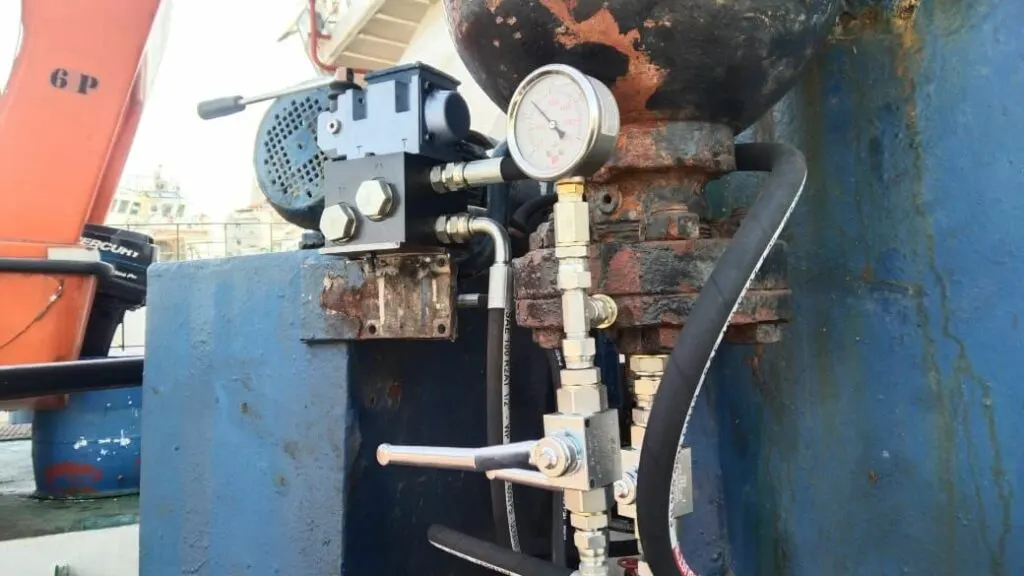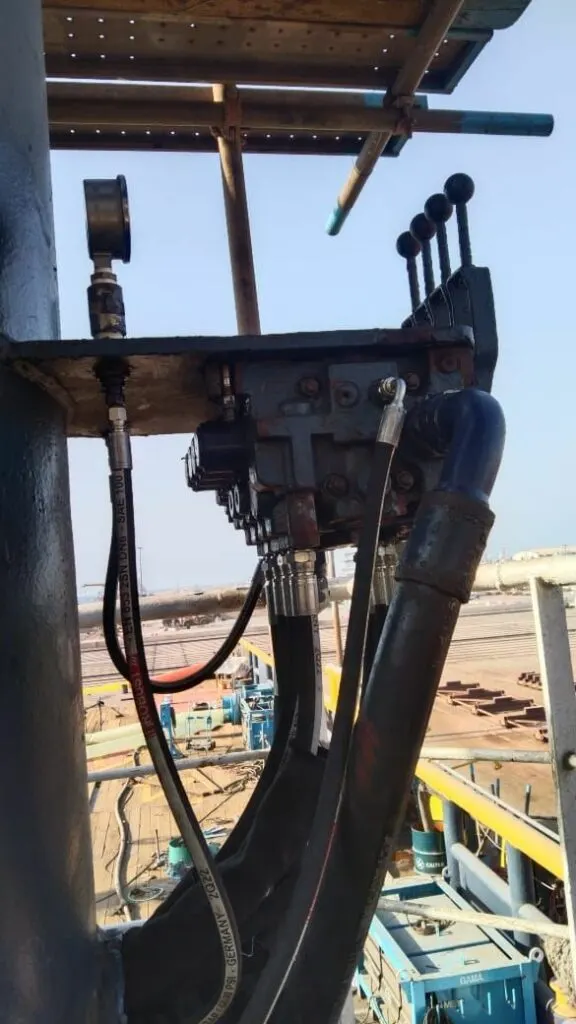
We repair the hydraulic systems on motor yachts and superyachts in UAE marinas and yards: passerelles, swim platforms, garage doors, tender cranes and davits, steering, stabilisers, thrusters and anchoring. Work is planned around the owner’s programme, done cleanly on board, and recorded for the captain and the yacht’s management.
The captain’s and yacht manager’s world
A yacht captain or engineer has a different problem from a commercial superintendent. The equipment must work perfectly and quietly whenever the owner or guests are aboard, and every repair must leave no oil on teak, upholstery or paintwork. Downtime is measured not in off-hire days but in a cancelled weekend, a missed charter or an unhappy owner.
The UAE yacht season runs from autumn to spring, with yachts based at marinas in Dubai and Abu Dhabi, at Dubai Harbour, and at the yards and marinas in Ajman, Umm Al Quwain and Sharjah. Summer is when most refits and repairs are done: the yacht is used less, and yards have more space. Heat is the enemy then too: hydraulic oil in a closed engine room or lazarette at 50 C ages quickly, and seals on deck equipment harden in the sun.
Hydraulic equipment on yachts
- Passerelles and boarding ladders: telescopic, slewing and luffing cylinders, small power packs, proportional valves and remote controls.
- Swim and bathing platforms that lift and lower, with their cylinders and locking systems.
- Tender garage doors and side shell doors: hinge cylinders, locking pins and seals.
- Tender cranes and davits for tenders and jet skis: luffing and telescopic cylinders, slewing, winches. See davit load testing.
- Steering: hydraulic steering cylinders, autopilot pumps and helm pumps. See steering gear service.
- Stabilisers: fin stabiliser actuators, their power packs and accumulators.
- Bow and stern thrusters where they are hydraulic, and their motors.
- Anchor windlasses and capstans with hydraulic motors.
- Central power packs (HPUs) that drive several of the above. See hydraulic power units.
Common faults on yachts
Passerelle and platform drift. A passerelle that sags or a platform that creeps down at anchor usually has worn piston seals, a leaking check valve or a lost accumulator charge.
Slow or jerky movement. Often air in the system, a worn pump or a sticking proportional valve. On small power packs, a weak electric motor or low voltage can look like a hydraulic fault, so we check the electrics too.
External leaks. Rod seals on deck cylinders exposed to sun and salt, and fittings that loosen with vibration. On a yacht any visible leak is a defect.
Pitted or corroded rods. Stainless rods can still pit in salt water; chrome rods pit faster. A pitted rod destroys new seals quickly, so it must be repaired or replaced, not just resealed. See repair or replace a hydraulic cylinder.
Hot oil. Engine rooms in summer push hydraulic oil too hot, which shortens pump and seal life. See hydraulic overheating in UAE heat.
Accumulators. Stabiliser and passerelle systems often rely on accumulators. Low pre-charge makes the system slow and uneven. See accumulator safety and pre-charge.
Class, flag and insurance
Larger yachts are classed and flagged, and commercially operated yachts are subject to yacht codes that include lifting appliances and lifesaving equipment. Tender cranes, davits and passerelles are often load tested at intervals required by the flag, class or insurer, and after repairs. We carry out load tests with water bags and calibrated load cells and provide reports. Our tests are regularly witnessed by class surveyors from DNV, Bureau Veritas, Lloyd’s Register and ABS when required. See load testing.
How we work on yachts
Clean working. Our engineers protect decks, interiors and paintwork, catch oil when lines are opened, and clean up before leaving.
Workshop repairs. Cylinders, pumps and valves are taken to our Sharjah workshop, stripped, measured, repaired and bench tested. Cylinders are pressure tested at 1.5 times working pressure with a test report.
On board in the marina. Troubleshooting, seal renewals on small cylinders, accumulator checks and hose work are often done on board. We coordinate marina access with the captain.
Summer refit work. During a yard period we take on the full hydraulic package: overhaul of cylinders and power packs, replacement of old hoses with properly specified ones (stainless fittings where they make sense) and load tests at the end. See hose management.
Services that matter most
| Equipment | Service |
|---|---|
| Passerelle, platform and door cylinders | Hydraulic cylinder repair |
| Central power packs and accumulators | Hydraulic power units |
| Steering systems | Steering gear service |
| Tender cranes and davits | Crane hydraulics, Davit load testing |
| Windlasses and capstans | Deck machinery and winches |
| Thruster and stabiliser motors and pumps | Pumps and motors |
What to send for a quote
- Yacht name, length, builder and year, and where she is berthed.
- The equipment, its maker if known, and photographs of nameplates.
- A short video of the fault if the system still moves.
- Any leaks, with photographs of where the oil appears.
- The owner’s programme: when the yacht is free and when it must be ready.
We focus on overhauls, troubleshooting and refit packages rather than single-hose call-outs. For a single hose, a local hose shop will usually be quicker.