For a fast, accurate hydraulic quote, send clear photos of the component and its nameplate, the make and model of the machine it comes from, what the fault is, the working pressure if known, where the equipment is, and when you need it back. With that information we can usually quote within one working day; without it, the first reply will be a list of questions.
This guide lists exactly what to send for the most common jobs. Copy the checklist into your enquiry.
The basics for every enquiry
- Equipment: what it is (crane, winch, steering gear, press, excavator), make, model and serial number.
- Component: cylinder, pump, motor, valve, power pack, hose set.
- Nameplate photos: clear, in focus, readable. Clean the plate first.
- Overall photos: the component in place, showing access and connections.
- Fault: what it does wrong, since when, and what has already been tried.
- Working pressure and oil type, if known.
- Location: port and berth, anchorage, yard, or site address at area level. Vessel at anchorage or offshore makes a difference to logistics.
- Deadline: sailing date, survey date or shutdown window.
- Documents you need back: test report, class-witnessed test, certificate.
- Scope split: who removes and refits, who provides scaffolding, hot work, cranage and oil.
Cylinders
- Bore, rod diameter and stroke (closed length and open length if you can measure them)
- Mounting type at each end: eye, clevis, trunnion, flange
- Port sizes and thread type
- Where it leaks: gland, ports, rod, welds
- Whether it drifts (see cylinder drift causes)
- Photos of the rod surface along its length
- Any part numbers on the barrel
If you cannot measure the bore, the outside diameter of the barrel and the rod diameter help us estimate it. Check force from size and pressure with our cylinder force calculator.
Pumps and motors
- Make, model and full type code from the nameplate (for example the long Bosch Rexroth or Kawasaki code)
- Displacement and rotation direction if shown
- Drive: electric motor power and speed, or engine
- Symptoms: noise, heat, slow speed, low pressure, leaks at the shaft
- Pressure readings and case drain flow if measured (see noisy pump guide)
- Whether there was metal in the filters
Valves
- Valve type: directional, counterbalance, relief, solenoid, proportional, sectional bank
- Make, model and number of sections
- Coil voltage for solenoid valves
- Symptom: function not working, drift, leaking, sticking
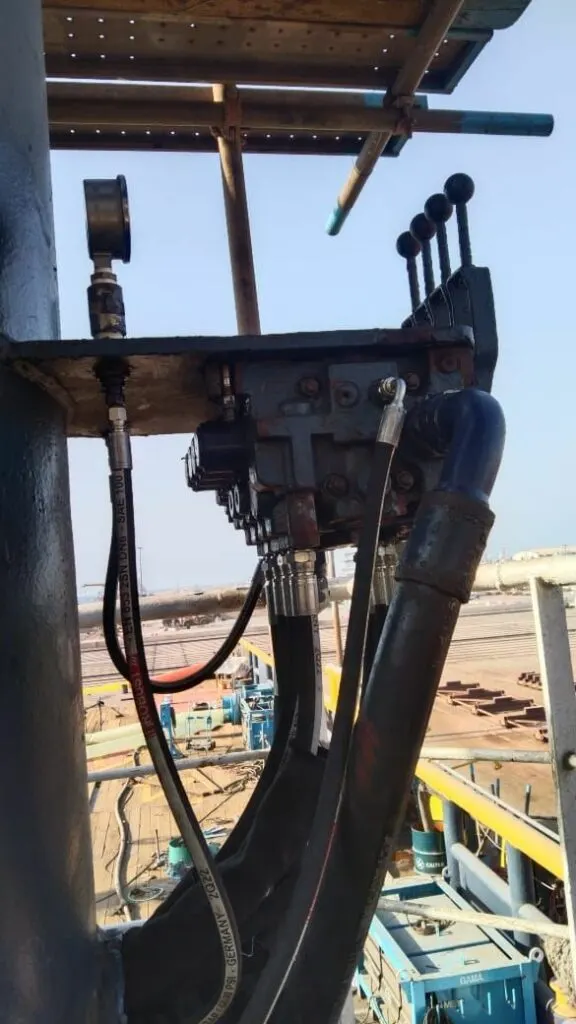
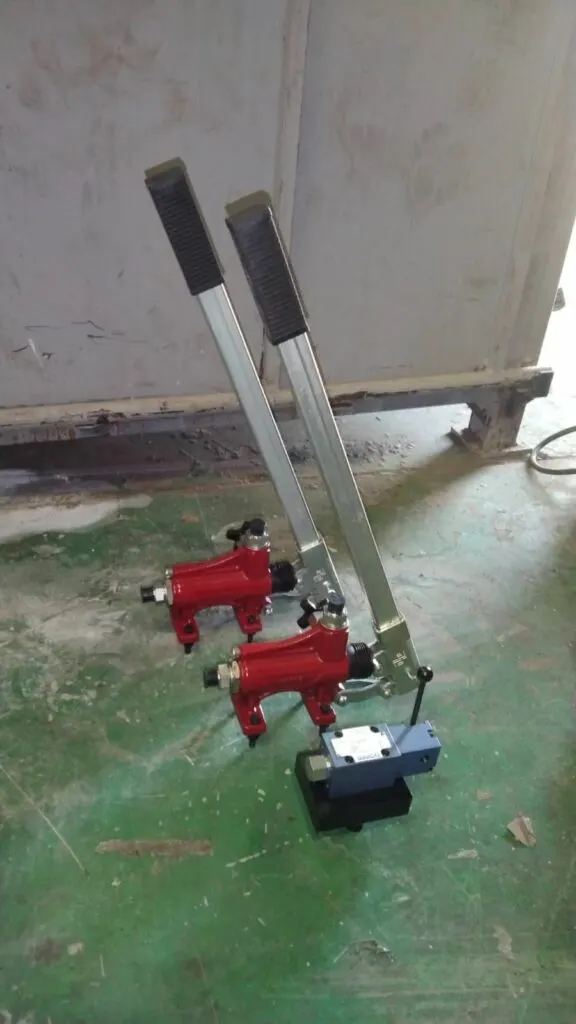
- For VRCS: number and sizes of actuators, type of system (hydraulic power pack or hand pump), the cargo and ballast valve list if available
Power packs (HPUs)
- Tank volume, motor power and speed, pump type and displacement
- What the unit drives
- Symptoms: heat, noise, pressure loss, leaks
- Oil temperatures in service and the ambient where the unit sits
- Photos of the whole unit, the hydraulic diagram if available, and the nameplate on the pump and motor
- For a new-build: required flow, pressure, duty cycle, power supply, space envelope and any class requirement
Steering gear
- Make, type (ram or rotary vane), model
- Recent timing test results
- Symptoms: slow, hunting, noisy pumps, leaks
- Whether a class survey is due (see steering gear SOLAS tests)
Load tests
- Type of equipment: crane, davit, accommodation ladder, gangway, winch, lifting gear
- SWL and radius for each appliance
- Number of appliances
- Type of test: initial, annual, five-yearly, after repair
- Whether class or flag must witness
- Location and access: alongside, anchorage, offshore, site
- Date window
- For davits: boat type and mass with full complement (see davit five-year test)
Our proof load calculator shows the usual test load for cranes and davits.
Hose programmes
- Machine or vessel list
- Approximate number of hoses, or permission to survey
- Critical systems to prioritise: cranes, steering, towing, davits
- Whether you need a hose register and tagging
- Required documents: material certificates, pressure test records
We focus on overhauls, load tests and planned re-hosing rather than single-hose call-outs; for one or two hoses, a local hose shop will be quicker.
Photos that help
- A wide shot showing the component in place and access around it
- A close shot of each nameplate, square on, in focus
- Close shots of damage: scored rod, leak point, cracked weld
- Hose ends and fittings if they will be renewed
- A photo of the hydraulic diagram if one is posted near the unit
Photos on a phone are fine. Send them in a normal resolution, not heavily compressed.
What happens next
- We reply with a quote or with any questions, usually within one working day of receiving photos and nameplate data.
- For unclear faults, we propose an attendance to inspect and troubleshoot, with a report and firm scope after.
- For component repairs, the quote covers the base scope plus quoted options for parts that may be worn.
- After strip-down, we send findings and photos before ordering parts.
When to call us
Send what you have, even if the list above is incomplete. A nameplate photo and a sentence about the fault is enough to start. For faults nobody has diagnosed yet, our engineer attendance is the fastest route. To see what drives the cost and time of a job, read what drives hydraulic repair costs in the UAE.